
What Do Framing Services Include? Cost, Process & Timeline
When planning a construction project, understanding framing services is essential. Framing forms the structural backbone of any building, defining its strength, layout, and long-term durability. Whether you are building a new home or extending an existing property, hiring the right professionals ensures your structure is safe and compliant.
At Diamond Peak Builders, expert framing plays a crucial role in delivering high-quality construction outcomes. In this guide, we will explain what professional framing includes, how the process works, typical costs, and expected timelines.
What Are Framing Services?
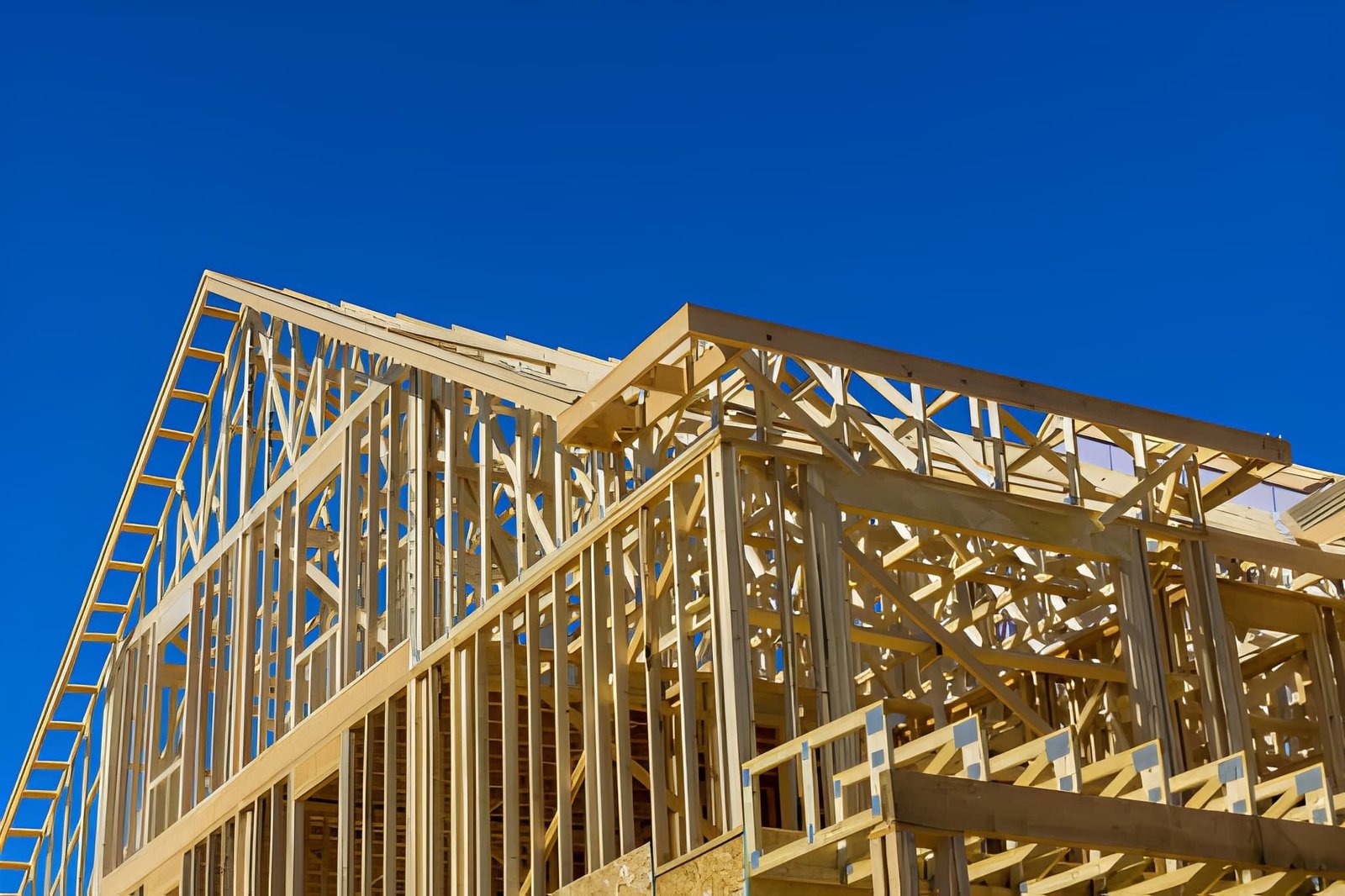
Framing services refer to the construction of a building’s skeleton. This includes walls, floors, and roof structures. These elements support the entire building and determine its shape.
Professional framing involves skilled planning, precise measurements, and the use of quality materials. A reliable construction framing company ensures everything aligns with architectural drawings and building regulations.
Framing is usually completed after the foundation is laid and before electrical, plumbing, and finishing work begins.
What Do Professional Framing Services Include?
Professional framing covers several critical components. Each stage contributes to the structural integrity of the building.
1. Wall Framing
Wall framing includes vertical studs, horizontal plates, and openings for doors and windows. This stage defines the layout of the property.
2. Floor Framing
Floor framing creates a stable base for each level. It includes joists and subflooring that distribute weight evenly.
3. Roof Framing
Roof framing involves rafters or trusses. It ensures the roof can withstand weather conditions such as wind and rain.
4. Structural Reinforcements
Professional framing often includes reinforcements like beams and columns. These elements improve strength and load-bearing capacity.
5. Sheathing Installation
Sheathing boards are added to walls and roofs. They provide stability and prepare the structure for insulation and cladding.
Experienced house framing contractors handle all these aspects with precision, ensuring the structure meets safety standards.
The Framing Process Explained
Understanding the framing process helps you plan your project effectively.
Step 1: Planning and Design Review
Before construction begins, framing specialists review architectural drawings. They assess load requirements and material needs.
Step 2: Material Selection
Common materials include timber and steel. Timber is widely used in residential projects, while steel is common in commercial builds.
Step 3: Layout Marking
Builders mark the layout on the foundation. This ensures accurate placement of walls and structural elements.
Step 4: Frame Construction
The team constructs walls, floors, and roof structures. This stage requires careful measurement and alignment.
Step 5: Inspection
Local authorities inspect the framing. This ensures compliance with building codes.
Step 6: Final Adjustments
Any necessary adjustments are made before moving to the next construction phase.
A professional framing contractor services provider ensures each step is completed efficiently and correctly.
Timeline for Framing Services
The duration of framing depends on the project size and complexity.
Typical Timeframes
Small Projects: 1–2 weeks
Medium Residential Homes: 3–6 weeks
Large Homes: 6–10 weeks
Commercial Projects: Several months
What Can Affect the Timeline?
Weather conditions
Availability of materials
Inspection delays
Design changes
Professional teams minimise delays by planning efficiently and coordinating with other contractors.
Why Hire Professional Framing Services?
Choosing experienced house framing contractors offers several benefits.
Structural Accuracy
Professionals ensure every component is correctly aligned. This reduces the risk of structural issues later.
Compliance with Regulations
Framing must meet strict building codes. Experts ensure your project complies with all legal requirements.
Efficiency and Speed
A skilled team completes the job faster without compromising quality.
Safety
Proper framing prevents structural failures. This is essential for long-term safety.
Timber vs Steel Framing
When choosing framing services, you may need to decide between timber and steel.
Timber Framing
Cost-effective
Easy to work with
Common in residential construction
Steel Framing
Highly durable
Resistant to pests and fire
Ideal for large or commercial projects
A professional construction framing company can help you select the best option for your project.
How to Choose the Right Framing Contractor
Selecting the right contractor is crucial for project success.
Key Factors to Consider
Experience in similar projects
Positive client reviews
Proper licensing and insurance
Transparent pricing
Clear communication
Choosing a trusted provider ensures your project runs smoothly from start to finish.
Common Mistakes to Avoid
Avoiding these mistakes can save time and money.
Hiring unqualified contractors
Using low-quality materials
Ignoring building regulations
Rushing the framing process
Professional framing ensures these issues are avoided.
Final Thoughts
Framing is one of the most important stages in construction. It determines the strength, safety, and longevity of your building. Understanding framing services, including cost, process, and timeline, helps you make informed decisions.
Working with experienced professionals like Diamond Peak Builders ensures your project is completed to the highest standards. Whether you need residential or commercial framing, investing in quality services is always worthwhile.
FAQs
1. What are framing services in construction?
Framing services involve building the structural framework of a property, including walls, floors, and roofs.
2. How much do framing services cost in the UK?
Costs typically range from £5,000 for small projects to over £100,000 for large or commercial builds.
3. How long does framing take?
Framing can take anywhere from 1 week to several months, depending on project size and complexity.
4. What materials are used in framing?
The most common materials are timber and steel, each offering different benefits.
5. Why should I hire professional framing contractors?
Professional contractors ensure structural safety, compliance with regulations, and efficient project completion.