
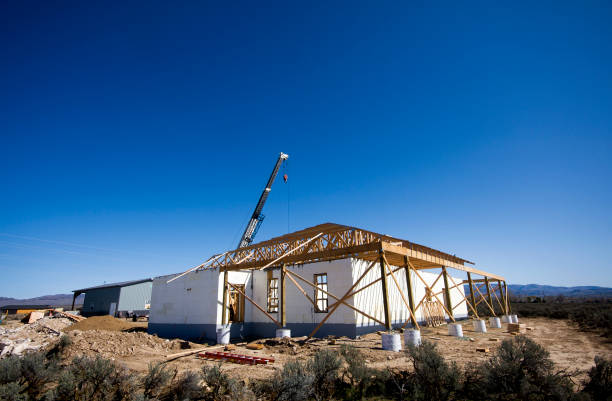
Addition Framing Idaho: Planning, Permits & Guide
Addition framing Idaho projects succeed when the structure is planned right from day one. If you are adding a kitchen bump-out, a new primary suite, or a second story, the framing stage sets the strength and safety of the entire build. It also impacts comfort, energy efficiency, and long-term value.
At Diamond Peak Builders, we help homeowners across Idaho with home addition framing, structural planning, and permit support. Our goal is simple: build a durable frame that ties cleanly into your existing home and meets local building codes. Therefore, you can move forward with fewer surprises during inspections and construction.
Why addition framing Idaho matters for every home expansion
Framing is the “skeleton” of your addition. It supports the roof, walls, floors, windows, and doors. Without accurate framing, even a beautiful addition can settle, crack, or develop moisture issues over time.
Professional addition framing services in Idaho focus on precision, load paths, and weather resilience. Additionally, Idaho’s snow loads, wind exposure, and temperature swings make correct materials and fastening methods critical.
Quality framing helps you:
Maintain structural stability and safe load-bearing performance
Reduce the risk of sagging floors and roof movement
Limit air leaks and support better insulation
Protect against moisture intrusion with proper detailing
Create openings that fit windows and doors correctly
Structural planning for a safe and durable home addition
Before any lumber goes up, smart structural planning confirms how the new space will connect to the existing home. It also reveals where reinforcement is needed. As a result, the addition performs like it was always part of the house.
Evaluating the existing home
A contractor should assess your foundation, roofline, and load-bearing walls. Older homes may need updates before expansion. However, finding those issues early prevents costly changes later.
Key areas that affect addition framing in Idaho include:
Foundation strength to carry added weight
Load-bearing walls to transfer loads safely
Roof design for a watertight tie-in
Floor framing to prevent bounce or deflection
Drainage and grading to reduce water damage risk
Designing the addition
During design, contractors and engineers align the layout with Idaho building standards and practical use. Popular options include kitchen expansions, home offices, sunrooms, garage conversions, and second-story additions.
Good design keeps proportions consistent with the current home. It also plans mechanical routes for plumbing, electrical, and HVAC. Therefore, framing does not get reworked later.
Idaho building codes and permits for home addition framing
Building codes guide how addition framing Idaho work must be completed. Rules can vary by city or county, but most structural additions require permits. Permits protect you by ensuring safety, zoning compliance, and inspection documentation.
Local building departments often review:
Structural engineering and framing plans
Foundation details and connection methods
Electrical, plumbing, and HVAC layouts
Energy efficiency requirements
Zoning items like setbacks and lot coverage
When permits are usually required
You typically need a permit when the project includes new square footage or structural changes. This often applies to roofline changes, new rooms, and most conversions. Additionally, any new plumbing or electrical work usually triggers permitting and inspections.
What the permit process looks like
Submit plans and supporting documents
Complete zoning and plan review
Receive engineering approval (when required)
Obtain permit issuance
Schedule inspections during key construction phases
Working with an experienced contractor can speed up approvals by reducing corrections and resubmittals.
Key components of home addition framing in Idaho
Home extension framing in Idaho includes several connected systems. Each one must be aligned, fastened correctly, and built to code. Otherwise, small errors can grow into major issues.
Foundation framing
The foundation supports the entire addition. Depending on the design and soil conditions, a project may use a slab, crawl space, or basement foundation. Proper waterproofing and anchoring matter in every case.
Floor framing
Floor framing uses joists, beams, and subflooring sized for the span and loads. Correct spacing prevents squeaks, bounce, and uneven floors. It also helps the finished flooring perform better.
Wall framing
Wall framing defines the layout and creates strong exterior walls for wind and roof loads. Framing also builds accurate rough openings for windows and doors. Additionally, clean wall framing improves insulation fit and air sealing.
Roof framing
Roof framing must tie into the existing roof without creating weak points or drainage problems. Systems may use rafters, trusses, ridge beams, and ceiling joists. In Idaho, snow-load design is especially important.
Common challenges in addition framing Idaho projects
Every home is different, so experienced framing crews plan for real-world conditions. This is where craftsmanship matters most.
Matching the existing structure
Older homes may have uneven floors, out-of-plumb walls, or hidden damage. Matching new framing to old construction takes careful layout and adjustment.
Weather and scheduling
Snow, rain, and freezing temperatures can slow work or affect materials. Therefore, contractors often plan weather buffers and temporary protection to keep the site dry.
Utilities and mechanical conflicts
Additions can require relocating plumbing, wiring, or HVAC runs. Planning these early reduces rework and keeps inspections on track.
Permit delays
Missing documents or code issues can delay approvals. However, complete plans and clear scope details help keep the permit timeline predictable.
Benefits of hiring professional framing contractors in Idaho
Choosing skilled builders for addition framing Idaho work improves quality and reduces risk. It also helps your project move smoothly from planning to final inspection.
Structural accuracy: load paths, spans, and connections follow engineered plans
Code compliance: framing, nailing, and hardware meet local requirements
Efficiency: organized crews reduce downtime and prevent mistakes
Safety: proper bracing and jobsite practices protect everyone
Energy efficiency tips for home addition framing
Modern additions should feel comfortable year-round. Smart framing supports better insulation and fewer drafts. Additionally, good moisture control protects the structure over time.
Energy-focused options may include:
Advanced framing techniques to reduce thermal bridging
Proper insulation depth and consistent cavity spacing
Air sealing and moisture barriers in key transition areas
Energy-efficient windows and correctly framed openings
Balanced ventilation planning for healthier indoor air
Typical timeline for home addition framing in Idaho
Timelines vary based on size, complexity, inspections, and weather. Still, many projects follow a similar path.
Design and planning: several weeks
Permit approval: varies by jurisdiction
Foundation work: about 1–2 weeks
Structural framing: about 1–3 weeks
Inspections: scheduled at required milestones
Larger projects, such as second-story additions, often take longer due to engineering and structural tie-ins.
How to choose the right contractor for addition framing in Idaho
A strong contractor helps you avoid delays, pass inspections, and get a clean finish. Look for a team with local experience and clear communication.
When comparing contractors, check:
Experience with Idaho building codes and permit requirements
Proven framing expertise and structural knowledge
Licensing, insurance, and safety practices
Portfolio of similar home additions
Clear timelines and written estimates
Recent customer reviews
To learn more about our approach, visit Diamond Peak Builders.
How proper framing adds long-term value
A well-framed addition improves more than square footage. It supports resale value, reduces maintenance, and helps the home feel solid and quiet. Poor framing, on the other hand, can lead to movement, leaks, and expensive repairs.
Quality framing supports:
Long-term durability and structural reliability
Better comfort and stronger energy performance
Fewer moisture-related issues
Higher buyer confidence at resale
Final thoughts and next steps
A successful addition starts with planning, code-compliant design, and expert framing. From foundation connections to roof tie-ins, every detail matters. If you want a safe, lasting build, choose professionals who understand both structure and permitting.
Contact Diamond Peak Builders to discuss your addition framing Idaho project and get a clear plan for design, permits, and construction: schedule a consultation.
Frequently asked questions
What is included in addition framing Idaho services?
Addition framing typically includes foundation connections, floor framing, wall framing, roof framing, and required structural supports based on the plans.
Do I need a permit for a home addition in Idaho?
In most cases, yes. Structural additions and most projects that add square footage require permits. Requirements can vary by city or county.
How long does home extension framing Idaho usually take?
Framing often takes one to three weeks. The exact timeline depends on size, complexity, inspections, and weather.
Why hire a professional framing contractor?
Professional framing improves safety, structural accuracy, and code compliance. It also helps reduce delays and long-term repair risks.
Can a home addition match my existing house?
Yes. With careful design and precise framing, an addition can blend with your home’s style, rooflines, and finishes.