Multi Family Framing Idaho: Planning, Cost & ROI Guide For Developers
Multi family framing Idaho demand keeps rising as population growth tightens housing supply. Developers in Boise, Meridian, Nampa, and Idaho Falls need reliable schedules and predictable costs. Therefore, a production-focused framing plan can protect both timeline and returns.
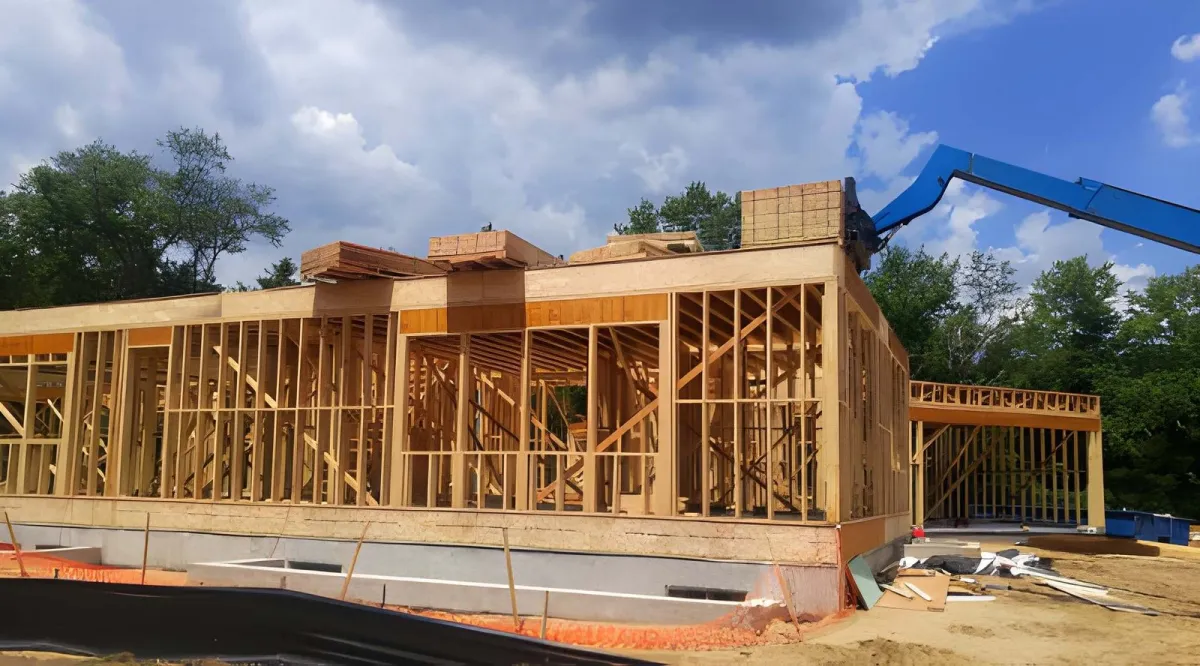
Framing is a critical phase in multifamily construction. It impacts structural strength, inspection success, trade sequencing, and budget control. Whether you are building apartments, townhomes, duplexes, or mixed-use housing, strong framing execution supports long-term asset value.
At Diamond Peak Builders, we help teams deliver code-compliant, efficient framing with dependable pacing. Use this guide to plan smarter, understand cost drivers, and improve ROI.
Multi family framing Idaho developers depend on requires accurate scheduling, reliable crews, and strong structural planning.
Understanding multi family framing Idaho projects
Multi-family framing is the structural framework for buildings with multiple dwelling units. Compared to single-family work, it requires tighter coordination and consistent quality across repeated unit layouts. Additionally, small framing mistakes can multiply quickly across many units.
Common multi-family building types
Apartment buildings and complexes
Duplexes and triplexes
Townhome communities
Condominium buildings
Mixed-use residential developments
Many Idaho developers choose wood framing for low-rise and mid-rise projects. It is cost-effective, flexible, and fast when the workflow stays organized.
Why Idaho is a strong market for multi-family development
Idaho continues to attract new residents and employers, which supports rental demand. Additionally, new roads, services, and commercial growth often create new housing corridors. As a result, multifamily development remains active across the state.
Key drivers developers are watching
Population growth: in-migration increases housing demand.
Strong rental demand: low vacancy supports new apartments and townhomes.
Expanding infrastructure: development follows new access and utilities.
Investor interest: multifamily assets can deliver stable cash flow.
Demand for multi family framing Idaho projects continues to grow in Boise, Meridian, and nearby expanding markets.
Key planning factors for multi-family framing projects
Good planning reduces rework, delays, and change orders. However, planning must match local labor conditions, weather windows, and inspection schedules. Clear coordination early also helps prevent expensive field changes later.
Site evaluation and pre-construction coordination
Before framing begins, confirm that the site is ready for production. Soil, grading, drainage, and utilities can change foundation details and sequencing. Therefore, pre-construction checks protect both schedule and quality.
Soil stability: supports long-term settlement control.
Drainage and moisture control: reduces future structural risk.
Utility placement: prevents conflicts that stall crews.
Access and staging: improves material flow and equipment use.
Weather exposure plan: protects lumber and keeps work moving.
Structural engineering and Idaho code compliance
Multi-family buildings must meet Idaho building codes and inspection requirements. Proper engineering supports fire separation assemblies, load paths, and durability. Additionally, accurate plans help speed plan review and reduce corrections.
Improves safety and reduces structural risk
Supports permitting and plan review
Helps pass inspections with fewer re-inspections
Reduces costly field changes and delays
Material selection for apartment and townhome framing
Wood framing is common in Idaho, but specifications must match performance goals. Procurement timing also matters when lumber pricing and lead times shift. Therefore, align selections early with the full construction schedule.
Lumber pricing trends and supplier lead times
Fire-rated assemblies and required ratings
Moisture management and jobsite protection
Energy efficiency goals tied to air sealing and insulation
Scheduling, labor, and trade coordination
On apartment framing Idaho builds, delays stack because most trades follow framing. A production-minded framing contractor keeps crews aligned with deliveries, inspections, and downstream subcontractors. Additionally, consistent crew planning helps maintain a steady pace across multiple buildings.
Sequenced workflow to reduce downtime
Consistent crew sizing to maintain production
Inspection readiness to prevent stop-work gaps
Clear communication with GCs and project managers
Common challenges in multi-family framing in Idaho
Every project has constraints. Still, most framing risks fall into predictable categories. If you plan early, you can reduce disruption and protect the critical path.
Weather delays and seasonal scheduling
Snow, rain, and freezing temperatures can reduce productivity and affect lumber condition. Therefore, many teams schedule major framing pushes during favorable windows and use protection plans when conditions change.
Use temporary weather protection and moisture control
Stage and cover materials correctly
Adjust sequencing to keep crews productive
Labor availability and consistency
Labor shortages can stretch timelines, especially on large multifamily construction. Experienced crews with repeatable processes help maintain output across similar unit layouts. Additionally, steady staffing reduces quality drift.
Material cost fluctuations
Lumber markets can change quickly. Developers often manage risk with early buyouts, approved alternates, and realistic contingencies. Clear scope also reduces last-minute purchasing at higher prices.
Permit and inspection timing
Municipal approvals can shift schedules. Additionally, complete documentation and quick responses help avoid resubmittals. Clean framing work also reduces inspection corrections that create downtime.
Cost considerations for multi-family framing
Framing is a major portion of construction cost for multi-unit projects. Exact numbers vary by design and location. However, most pricing comes down to scope clarity, complexity, and schedule reliability.
Main cost drivers
Building size and layout: simple repeats improve efficiency, while complex footprints add labor.
Building height: multi-story work often needs more detailing and safety planning.
Material specs: fire-rated assemblies and higher-grade requirements change totals.
Labor and schedule: gaps, overtime, and remobilization increase cost.
Project access: staging space and delivery logistics affect productivity.
For better control, align framing scope, specifications, and schedule early. Then, track changes tightly throughout the build.
ROI benefits of professional multi-family framing
High-quality framing protects ROI by improving speed, reducing defects, and supporting long-term performance. It also helps minimize costly corrections after drywall, MEP rough-in, and finishes begin.
How framing quality impacts ROI
Faster completion: steady production can reduce carrying and financing costs.
Lower maintenance: accurate layouts reduce callbacks and repairs.
Higher property value: well-built units support demand and resale potential.
Improved energy performance: tight framing supports insulation and air sealing.
Reduced risk: fewer defects can reduce liability exposure.
Choosing the right multi-family framing contractor in Idaho
Your framing partner should match your project type, delivery method, and production goals. Additionally, they should have systems for schedule control, safety, and quality checks across every building and unit.
What to look for
Proven experience in multifamily framing and production builds
Knowledge of Idaho code requirements, plan review, and inspections
Reliable scheduling, crew planning, and on-site supervision
Clear documentation, RFIs, and change management
Safety compliance and organized jobsites
Consistent quality control across repeated unit layouts
Diamond Peak Builders supports developers with framing solutions that prioritize accuracy, pace, and long-term structural performance.
Sustainable building trends in Idaho multi-family construction
Sustainability continues to shape Idaho development decisions. Developers want efficiency without sacrificing durability or schedule certainty. Therefore, many teams focus on practical upgrades that lower waste and improve building performance.
Trends that support performance and cost control
Energy-efficient framing: advanced framing can reduce thermal bridging.
Waste reduction: smarter takeoffs reduce jobsite scrap.
Durable assemblies: better details can lower lifetime maintenance.
Tech-enabled planning: coordination tools improve schedule accuracy.
Long-term investment potential for Idaho developers
Idaho’s housing demand supports long-term multi-family investment. While markets can shift, multi-unit properties often remain attractive because they generate recurring income. Strong framing execution supports this outcome by protecting both timeline and asset quality.
Increased rental demand across growing metros
Property appreciation potential
Improved occupancy stability
Long-term cash flow opportunities
Portfolio growth potential
Why developers choose Diamond Peak Builders
Multi-family construction has many moving parts. Our team works closely with developers, project managers, and construction partners to keep framing production steady. Additionally, we focus on inspection readiness to reduce downtime.
Accurate scheduling and production planning
Quality craftsmanship and structural precision
Jobsite safety and clean workflow
Reliable communication throughout the build
Efficient coordination that supports downstream trades
If you are planning a new apartment complex, townhome community, or mixed-use residential project, contact Diamond Peak Builders to discuss scope, timelines, and crew availability.
Conclusion
Multi family framing Idaho projects are expanding as developers meet growing housing needs statewide. With realistic planning, stable scheduling, and experienced crews, you can reduce risk and improve returns. Partner with a framing team that understands multifamily workflows and Idaho inspections.
FAQs
1. What is multi-family framing in Idaho?
It is the structural framing for buildings with multiple units, such as apartments, duplexes, and townhomes. It also includes the coordination needed for repeated layouts and inspections.
2. Why is Idaho a strong market for multi-family development?
Idaho has ongoing population growth, strong rental demand, and expanding infrastructure. These factors support new housing across key markets.
3. What affects the cost of apartment framing in Idaho?
Cost depends on building size, height, layout complexity, material specifications, labor conditions, inspection cadence, and site access.
4. How long does a multi-family framing project take?
Timelines vary by weather, crew availability, design complexity, permitting, and inspection scheduling. Repeated unit layouts can improve speed when planning is solid.
5. Why hire an experienced multi-family framing contractor?
Experienced contractors improve schedule reliability, quality control, and safety. They also reduce rework and help downstream trades stay on track.